Celebration of Life or Funeral – What’s the Difference?
People often use the terms funeral and celebration of life interchangeably, but they are not always quite the same thing.
One of the most common questions I hear is:
“What’s the difference between a funeral and a celebration of life?”
The simple answer is that both provide an opportunity to remember, honour and celebrate someone who has died. The main difference is often one of timing, location and flexibility.
What is a funeral?
A funeral usually takes place relatively soon after a death and is often linked directly to a burial or cremation.
It may take place at a crematorium, cemetery, natural burial ground or another location.
For many families, the funeral provides an important opportunity to come together, share memories and say goodbye.
What is a Celebration of Life?
A Celebration of Life is often held separately from the funeral itself.
It may take place weeks or months later, giving family and friends more time to gather and plan something personal.
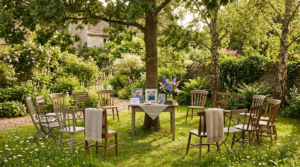
Many celebrations of life take place in venues that held special meaning for the person who died, such as community venues, favourite pubs, hotels or private gardens.
Neither is better
Sometimes people assume a celebration of life is a more modern alternative to a funeral.
In reality, neither approach is better than the other.
Some families prefer a traditional funeral. Others prefer a celebration of life. Many choose both.
What matters most is finding an approach that feels right for the person being remembered and for those who loved them.
What about direct cremation?
Many families who choose https://humanist.org.uk/kayjones/direct-cremation-and-meaningful-farewells/direct cremation later arrange a celebration of life.
Separating the practical arrangements from the act of remembrance can provide greater flexibility and more time to bring people together.
A celebration of life can take place days, weeks or months after the cremation.
What can be included?
Both funerals and celebrations of life can include music, readings, photographs, tributes and contributions from family and friends.
Some are quiet and reflective. Others are uplifting and joyful. Many include a mixture of both.
Every ceremony should reflect the individual being remembered.
Choosing what feels right
There is no right or wrong choice.
Some people know immediately what they want. Others need time to think through the options.
My role is to help families create a ceremony that feels personal, meaningful and true to the person being remembered.
If you would like to learn more about celebrations of life, you can visit my Celebrations of Life page.
If you’re exploring different ways to remember someone, you may also find Choosing Direct Cremation Doesn’t Mean Missing Out on a Meaningful Goodbye helpful. It explores how families can create meaningful and personal farewells outside a traditional funeral setting.
If you’re planning a funeral, memorial ceremony or celebration of life, I’d be happy to help you tell the story of someone who mattered. You can find out more about my services or get in touch for an informal conversation.